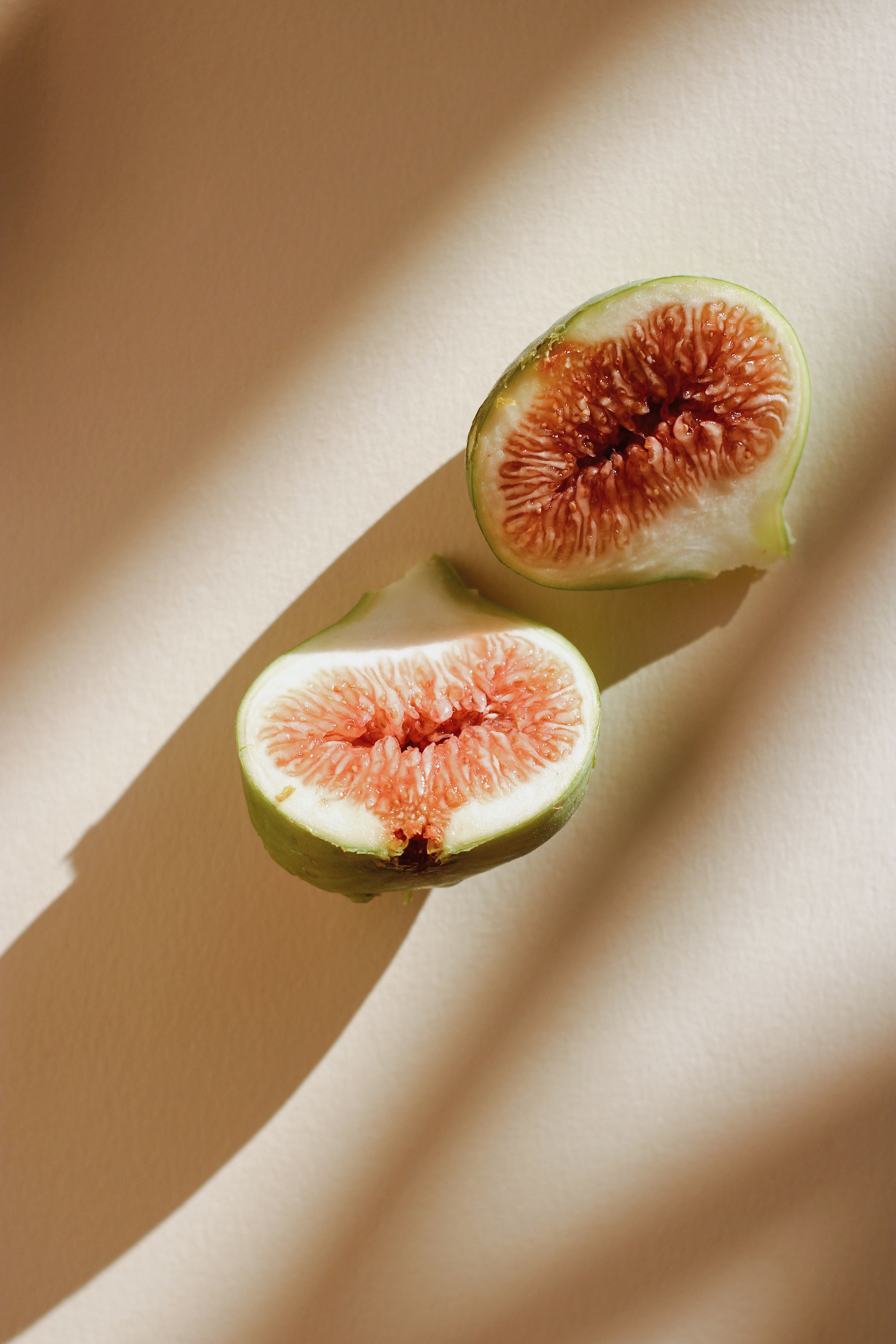
A wall, one cell thick
Your intestinal lining is held together by tiny structures called tight junctions, basically the mortar between the bricks. They're meant to open just enough to let nutrients through, and stay shut to everything else.
"Leaky gut" is what happens when that mortar loosens. The gaps widen, and things that were never supposed to cross over, undigested food particles, toxins, bacteria, slip into the bloodstream anyway. Your immune system notices immediately, and it does not stay quiet about it.
Which is a strange thing to sit with: one of the largest surfaces in your entire body is also one of the thinnest. A lot is riding on a very small gap staying closed.
Signs that show up outside the gut
This is the part that catches people off guard: a leaky gut rarely announces itself as a gut problem. It tends to show up everywhere except where you'd expect.
Body
- Bloating after meals that used to sit fine
- New food sensitivities appearing out of nowhere
- Skin flare-ups, eczema or unexplained rashes
- Joint aches with no obvious cause
- Persistent low energy
Mind & immunity
- Brain fog after eating
- Mood dips that track with digestion
- Getting ill more often than usual
- Seasonal allergies that seem to worsen
"The line between a normal gut and a leaky one is rarely dramatic. It's a gap that widens by fractions, one meal, one stressful week, one late night at a time."
The tight junctions that hold your gut wall together are managed by a protein called zonulin, discovered only in 2000. Certain foods, stress and infections can all trigger it to loosen the gaps more than it should.
Your gut lining also renews itself roughly every three to five days, faster than almost any other tissue you have. Your skin takes weeks. Your gut barely takes a work week.
Small habits that support the lining
- Feed it, don't starve it. Fibre from vegetables, oats and beans gets fermented by your gut bacteria into the compounds the lining uses to rebuild itself.
- Let fermented foods do double duty. A daily spoon of kefir, yoghurt or sauerkraut supplies the bacteria that help keep the wall sealed.
- Give NSAIDs and alcohol some distance. Both are established triggers for loosening the junctions, not just wellness folklore.
- Sleep like it's part of the treatment. Most gut repair happens overnight, not during the day.
The rest lives in the Masterclass
What actually triggers the junctions to loosen, and the full protocol to reseal them, are covered in the Masterclass chapter on leaky gut.
- The real triggers behind a compromised gut lining
- How to tell a sensitive gut from an actually leaky one
- The full, step-by-step protocol to rebuild the barrier
This article is for educational purposes and does not replace medical advice. If these signs sound familiar, speak to your doctor before changing your diet or starting a new protocol.